Things to Do in Japan
Jump Best time to cheery blossoms
1. Explore the Bright Lights of Tokyo – A Key Part of Your Japan Travel Experience and Things to Do in Japan
Tokyo is a thrilling mix of ultra-modern energy and deep-rooted tradition. Start in Shibuya, home to the world-famous Shibuya Crossing, where thousands of people cross at once beneath glowing neon lights.
Head to Shinjuku for skyscraper views from the Tokyo Metropolitan Government Building and vibrant nightlife in Kabukicho. In Asakusa, step back in time at Senso-ji Temple, Tokyo’s oldest temple, surrounded by traditional shops selling sweets and souvenirs.
Visit Harajuku for youth fashion and quirky street culture, then explore Akihabara for anime and tech. Tokyo also offers peaceful escapes like Meiji Shrine and Ueno Park. Food lovers can enjoy everything from Michelin-star sushi to casual ramen shops.
Tokyo’s diversity makes it one of the most exciting cities in the world and a must-visit destination for anyone traveling to Japan as part of their things to do in Japan journey.
2. Visit the Historic Temples and Bamboo Forest in Kyoto – Essential for Your Japan Travel Itinerary and Things to Do in Japan
Kyoto is the cultural heart of Japan, famous for its timeless beauty and traditional atmosphere. The city is home to over 1,000 temples and shrines, including the golden Kinkaku-ji (Golden Pavilion) and the peaceful Ryoan-ji Zen rock garden.
One of the most magical experiences is walking through the towering bamboo grove in Arashiyama, where sunlight filters through the tall green stalks. Visit Fushimi Inari Shrine to see thousands of red torii gates stretching up the mountain.
In spring, cherry blossoms transform the city into a pink paradise, while autumn brings vibrant red and orange leaves. Kyoto’s Gion district is known for geisha culture and wooden machiya houses.
Traditional tea ceremonies and kaiseki dining offer a deeper cultural experience. Kyoto perfectly represents old Japan and is often considered the most beautiful part of the country.
3. See Mount Fuji and Explore the Fuji Five Lakes
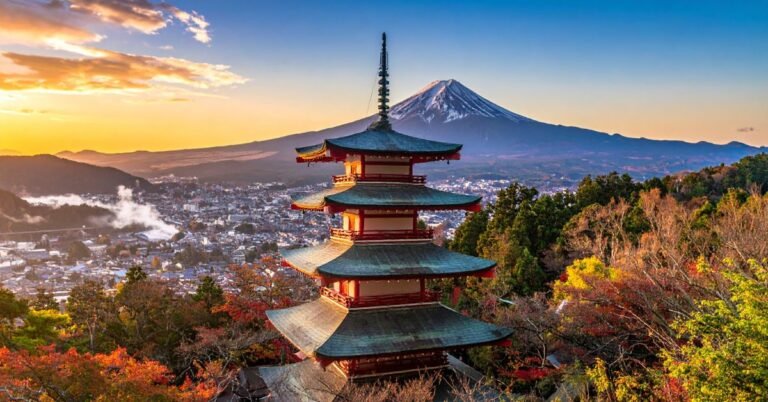
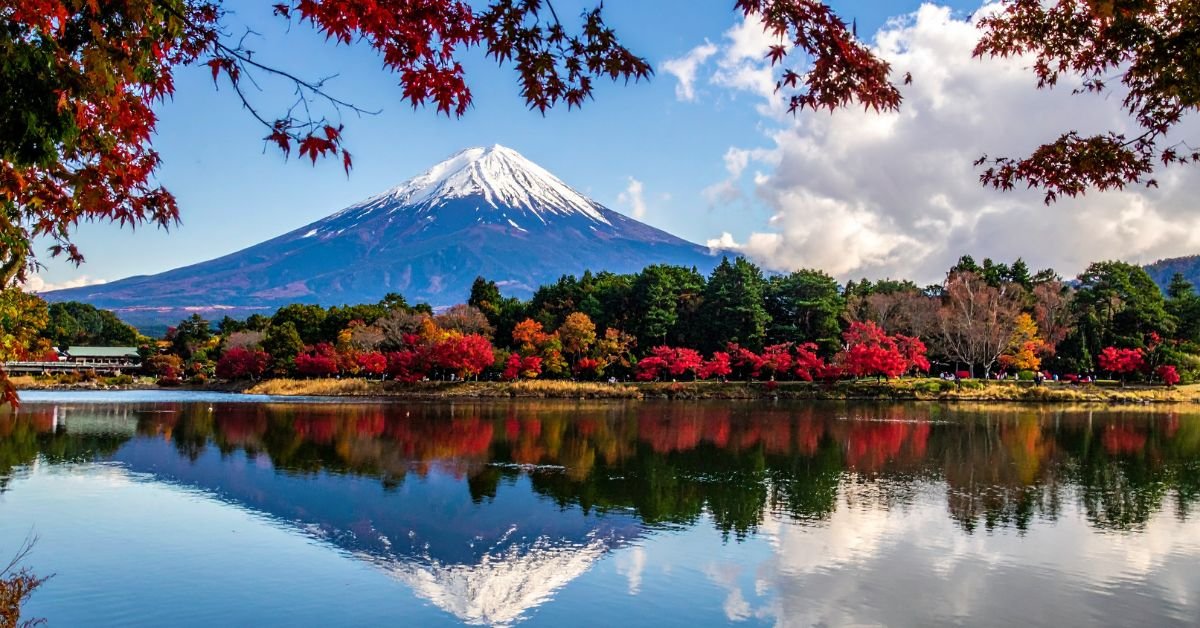
Mount Fuji is Japan’s most iconic symbol and a breathtaking natural wonder. Standing at 3,776 meters, this perfectly shaped volcano attracts climbers, photographers, and nature lovers from around the world.
The Fuji Five Lakes region offers some of the best views of the mountain, especially from Lake Kawaguchi. Visitors can hike scenic trails, take boat cruises, or relax in lakeside hot springs while admiring Fuji’s reflection on the water.
In summer, adventurous travelers can climb to the summit for a sunrise view known as “Goraiko.” During winter, the snow-covered peak creates a stunning postcard-perfect scene.
The area also features museums, theme parks, and local food specialties. Whether you choose to climb it or simply admire it from afar, Mount Fuji delivers one of the most unforgettable experiences in Japan.
4. Experience Osaka’s Famous Street Food Scene
Osaka is known as “Japan’s Kitchen,” and it’s the perfect place for food lovers. The lively Dotonbori district is filled with colorful signs, giant food displays, and endless street food stalls.
Try takoyaki (octopus balls), okonomiyaki (savory pancakes), kushikatsu (deep-fried skewers), and fresh sushi. Osaka’s food culture is casual, friendly, and full of flavor.
Beyond food, the city offers attractions like Osaka Castle, which provides a glimpse into Japan’s samurai history. Universal Studios Japan is another major highlight for families and thrill seekers.
Compared to Tokyo, Osaka has a more relaxed and humorous personality, and locals are known for their warmth and friendliness. Nightlife in Namba and Umeda adds even more excitement.
If you want to eat well and experience Japan’s fun-loving urban culture, Osaka is a must-visit destination.
5. Visit Hiroshima Peace Memorial Park and Miyajima Island
Hiroshima is a city of resilience, peace, and hope. The Hiroshima Peace Memorial Park honors the victims of the atomic bombing in 1945 and promotes a powerful message of global peace.
The Atomic Bomb Dome, preserved as it was after the explosion, stands as a moving reminder of history. The Peace Memorial Museum provides educational exhibits that leave a lasting impression.
Despite its tragic past, Hiroshima today is a vibrant and welcoming city. Just a short ferry ride away is Miyajima Island, famous for its iconic floating torii gate at Itsukushima Shrine.
The island also offers scenic hiking trails and friendly deer roaming freely. Combining powerful history with natural beauty, Hiroshima and Miyajima create one of the most meaningful and memorable experiences in Japan.
6. Relax in a Traditional Onsen (Hot Spring)
One of the most authentic experiences in Japan is relaxing in a traditional onsen, or natural hot spring. Japan sits on volcanic land, which means the country is filled with mineral-rich thermal baths believed to have healing properties.
Popular onsen towns like Hakone, Beppu, and Kusatsu offer beautiful outdoor baths surrounded by mountains, rivers, or forests. Soaking in an open-air bath (rotenburo) while enjoying peaceful natural scenery is incredibly calming.
Before entering, visitors must follow bathing etiquette, including washing thoroughly beforehand. Many ryokans (traditional inns) include private or shared onsen for guests.
In winter, sitting in steaming hot water while snow falls around you creates a magical experience. Onsens are not just about relaxation — they are deeply rooted in Japanese culture and offer a peaceful escape from busy city life.
7. Stay Overnight in a Traditional Ryokan
Staying in a ryokan gives travelers a true taste of traditional Japanese hospitality. These inns feature tatami mat floors, sliding paper doors, and futon bedding laid out at night.
Guests often wear a light cotton kimono called a yukata during their stay. One of the highlights is enjoying a kaiseki dinner — a beautifully presented multi-course meal made with seasonal ingredients.
Breakfast is usually traditional as well, featuring grilled fish, rice, miso soup, and small side dishes. Many ryokans also include access to private or shared onsen baths.
The atmosphere is peaceful and minimalist, focusing on comfort and cultural tradition rather than luxury in the Western sense. Staying at a ryokan allows you to slow down, disconnect from modern stress, and fully immerse yourself in Japanese culture and hospitality.
8. Experience Cherry Blossom Season (Sakura)
Cherry blossom season is one of the most beautiful and famous times to visit Japan. Every spring, usually between late March and early April, delicate pink sakura flowers bloom across the country.
Parks, riversides, and temple grounds transform into breathtaking landscapes. Popular viewing spots include Ueno Park in Tokyo, Maruyama Park in Kyoto, and Osaka Castle Park.
Locals celebrate with hanami, or flower-viewing picnics, where families and friends gather under blooming trees to eat, drink, and enjoy the short-lived beauty of the blossoms.
The season symbolizes renewal and the fleeting nature of life in Japanese culture. Evening illuminations make the experience even more magical.
Because sakura season is short, timing your visit carefully is important. Witnessing cherry blossoms in full bloom is truly a once-in-a-lifetime travel experience.
9. Explore Nara Park and Meet the Friendly Deer
Nara Park is one of Japan’s most unique and charming attractions. Located just a short train ride from Kyoto or Osaka, the park is home to over 1,000 freely roaming deer.
Considered sacred messengers of the gods in Shinto tradition, the deer are friendly and accustomed to visitors. You can purchase special deer crackers to feed them, and many will even bow politely before receiving a treat.
Beyond the deer, Nara is also home to Todai-ji Temple, which houses the Great Buddha — one of the largest bronze Buddha statues in the world. The temple itself is an architectural masterpiece and a UNESCO World Heritage Site.
With wide open spaces, historic temples, and peaceful walking paths, Nara Park offers a perfect mix of nature, culture, and unforgettable encounters.
10. Discover the Snowy Landscapes of Hokkaido
Hokkaido, Japan’s northernmost island, is famous for its breathtaking natural beauty and winter wonderland scenery. During winter, destinations like Niseko and Furano attract skiers and snowboarders from around the world thanks to their soft, powdery snow.
The Sapporo Snow Festival, held every February, features massive snow and ice sculptures that draw international visitors. In summer, Hokkaido transforms into a colorful paradise with lavender fields in Furano and rolling hills filled with flowers.
The island is also known for its fresh seafood, dairy products, and ramen. Nature lovers can explore national parks, volcanic lakes, and scenic hiking trails.
Compared to Japan’s busy cities, Hokkaido feels spacious and peaceful. If you love outdoor adventures and dramatic seasonal beauty, Hokkaido is an incredible destination to add to your Japan itinerary.
Participating in a Japanese tea ceremony is a serene and cultural experience. Known as chanoyu or sado, the ceremony emphasizes mindfulness, respect, and harmony.
Usually held in a traditional tea room or garden, a host prepares powdered green tea (matcha) with precise, graceful movements. Guests are guided on proper etiquette, including how to bow, hold the tea bowl, and sip correctly.
The ceremony often includes a seasonal sweet to balance the bitterness of the tea. Many tea houses in Kyoto, Tokyo, and Kanazawa offer this experience for visitors.
Beyond tasting tea, it provides insight into Japanese aesthetics, patience, and attention to detail. The ritual is peaceful and meditative, giving travelers a unique connection to centuries of Japanese tradition.
For anyone seeking cultural immersion, a tea ceremony is a must-do activity that combines beauty, mindfulness, and heritage.
Participating in a Japanese tea ceremony is a serene and cultural experience. Known as chanoyu or sado, the ceremony emphasizes mindfulness, respect, and harmony. Usually held in a traditional tea room or garden, a host prepares powdered green tea (matcha) with precise, graceful movements. Guests are guided on proper etiquette, including how to bow, hold the tea bowl, and sip correctly. The ceremony often includes a seasonal sweet to balance the bitterness of the tea. Many tea houses in Kyoto, Tokyo, and Kanazawa offer this experience for visitors. Beyond tasting tea, it provides insight into Japanese aesthetics, patience, and attention to detail. The ritual is peaceful and meditative, giving travelers a unique connection to centuries of Japanese tradition. For anyone seeking cultural immersion, a tea ceremony is a must-do activity that combines beauty, mindfulness, and heritage.
12. Explore Akihabara: Japan’s Pop Culture Hub
Akihabara, in central Tokyo, is the ultimate destination for anime, manga, and tech enthusiasts. Neon signs, themed cafés, and multi-story electronics stores line the streets, creating a vibrant and energetic atmosphere.
Fans can shop for collectibles, figurines, rare manga editions, and the latest gadgets. Maid cafés and themed restaurants offer playful experiences that are uniquely Japanese.
Akihabara is also a hub for gaming, with arcades offering everything from classic retro games to cutting-edge virtual reality experiences. Cosplay events and pop culture conventions are common, attracting enthusiasts from across the globe.
Even if you’re not a die-hard fan, exploring Akihabara provides a fascinating glimpse into modern Japanese culture. The neighborhood perfectly contrasts with Japan’s traditional side, showing how the country blends heritage with innovation and creativity.
13. Walk Through Historic Streets of Takayama
Takayama, located in the mountainous Hida region, is known for preserving traditional Japanese architecture and charm. The old town area features wooden merchant houses, sake breweries, and artisan shops dating back hundreds of years.
Strolling along Sanmachi Street feels like stepping back in time, with beautifully maintained facades and quaint cafés. Takayama is famous for its morning markets, where local farmers sell fresh produce, crafts, and traditional snacks.
The city also hosts the Takayama Festival, considered one of Japan’s most beautiful festivals, with ornate floats and cultural performances. Nearby, visitors can explore the scenic Hida countryside, known for rice terraces and serene landscapes.
For travelers seeking authentic Japanese culture away from major cities, Takayama offers a peaceful yet enriching experience full of history, craftsmanship, and natural beauty.
14. Ride the Shinkansen (Bullet Train)
Riding Japan’s Shinkansen, or bullet train, is a must-do experience for travelers. Known for their speed, efficiency, and punctuality, these trains connect major cities like Tokyo, Kyoto, Osaka, and Hiroshima in a matter of hours.
Traveling at up to 320 km/h (200 mph), passengers can enjoy smooth, quiet rides with spacious seating and clean interiors. The Shinkansen offers scenic views of mountains, countryside, and even Mount Fuji along certain routes.
It’s not only a fast mode of transportation but also an iconic part of Japanese engineering and innovation. For tourists, the Japan Rail Pass provides unlimited travel on most trains, making it convenient and cost-effective.
Riding the bullet train is more than just getting from point A to B — it’s an exciting way to see Japan efficiently while experiencing world-class technology firsthand.
15. Explore the Tropical Beaches of Okinawa
Okinawa, a group of islands in southern Japan, offers a completely different side of the country. With turquoise waters, white sandy beaches, and coral reefs, it feels like a tropical paradise.
Popular activities include snorkeling, scuba diving, and swimming with tropical fish. Okinawa’s unique Ryukyu culture is reflected in its local cuisine, music, and traditional crafts.
Shuri Castle, the historic royal palace, and the Churaumi Aquarium, one of the largest in the world, are must-visit attractions. The islands also offer scenic drives along coastal roads, serene nature trails, and quiet villages for relaxation.
Okinawa is ideal for travelers who want to combine beach fun, cultural experiences, and natural beauty. Whether visiting in summer for the beaches or in spring to enjoy festivals, Okinawa adds diversity and tropical charm to any Japan itinerary.